
Keto Diet FAQs for Type 2 Diabetes
What Effect Does Keto Diet Have on Diabetes?
Carbohydrates are the body’s main energy source. When you don’t get enough carbohydrates and there isn’t any glucose available, your body enters a metabolic condition called ketosis and starts using fat for energy instead. Ketone bodies are a byproduct of the breakdown of lipids without the presence of carbs. Until you start eating carbohydrates again, the body will use ketone bodies for energy instead of glucose.
The diabetic ketogenic diet has additional advantages like:
- Bringing down blood pressure
- Increasing sensitivity to insulin
- Lowering reliance on drugs
- Increasing the amount of high-density lipoproteins (HDL), or “good” cholesterol, without increasing the amount of low-density lipoprotein (LDL), or “bad” cholesterol.
Following a ketogenic diet can help you manage your diabetes since it switches your body’s primary energy source from carbohydrates to fat. The keto diet has numerous potential advantages for managing diabetes, and sticking to it calls for a significant amount of dedication. Moderation is the secret to making it sustainable. Take a moment to understand the diabetic keto diet in detail before leaping.
Below is a list of Keto Diet FAQs for Type 2 Diabetes and our answers.
Is the Keto Diet Suitable for Diabetics?
Yes, diabetics can benefit from keto. Foods that emphasise providing more calories and fat than carbohydrates are part of the diabetic ketogenic diet. The requirement for insulin can be decreased by consuming fewer carbs in the diet, which can help prevent significant blood sugar increases. Additionally, it enables the body to keep blood glucose levels under control.
What Foods are Allowed on a Diabetic Keto Diet?
You can consume meals that have a balance of nutrients, such as vitamins, minerals, fibre, as well as the right amount of calories and healthy fats. Non-starchy veggies like carrots, broccoli, mint, cauliflower, and cabbage, healthy fats like avocado and its oil, nuts, seeds, fatty fish, and olive oil, and non-sugary fruits like berries and watermelon are some of these meals. Additionally, you must remember to consume proteins. Tofu, eggs, paneer, and dairy products are some of these foods.
On a Keto Diet, is Alcohol Permissible?
Drinking alcohol when following a keto diet is not recommended since it might slow down the rate of ketosis and exacerbate the negative effects of alcohol on the body. The best course of action for a diabetic on a ketogenic diet is to avoid alcohol.
What Vegetables Should I Avoid When on a Keto Diet?
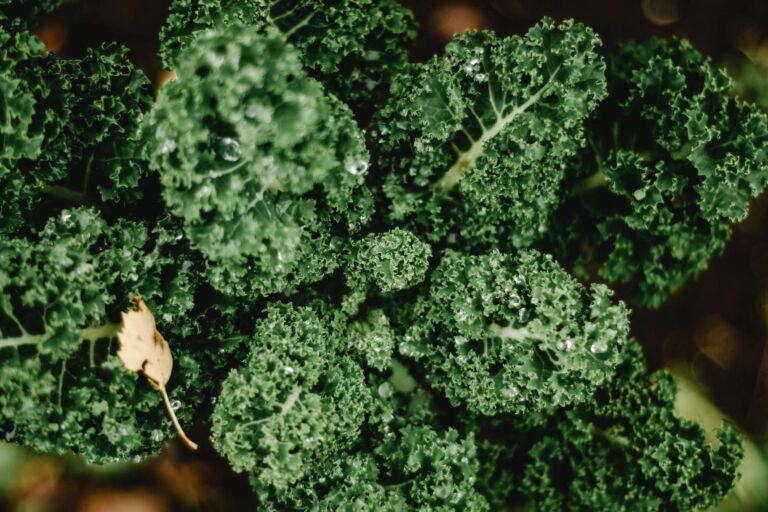
In the keto diet, you should stay away from veggies with a lot of starch. Vegetables with a high starch content have more digestible carbohydrates than fibre, which raises blood sugar levels. These include beets, potatoes, and sweet potatoes. Choose low-carb vegetables instead, like cauliflower, cabbage, spinach, and broccoli.
Can You Eat Bananas on a Keto Diet?
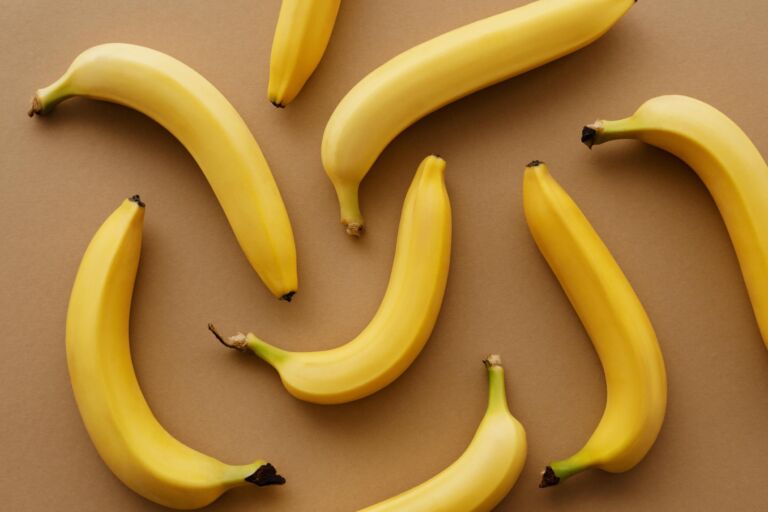
No, because of their high sugar content, bananas can defeat the goal of ketosis. Because they contain more carbohydrates, high-sugar fruits might cause your blood sugar to rise more quickly. There are 20 g of carbs in one banana. So instead of choosing fruits like bananas, choose low-sugar fruits like avocados, raspberries, and lemons.
Do Mushrooms Fit into the Keto Diet?
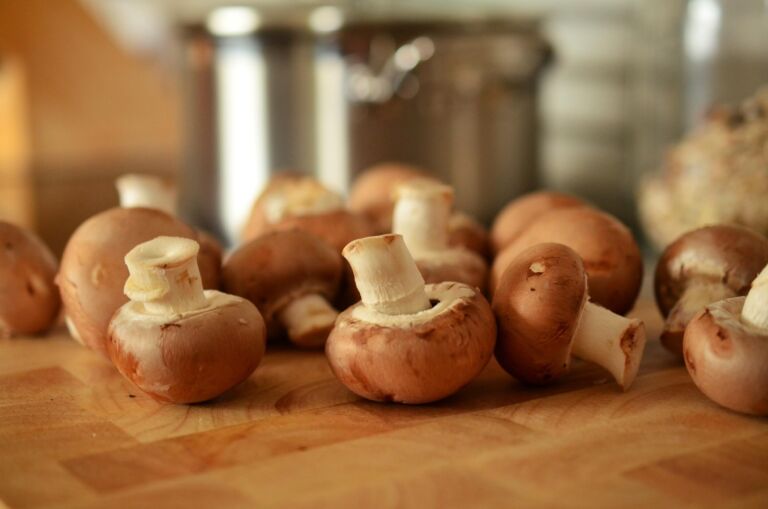
Mushrooms are a great compliment to a diabetic ketogenic diet because they are low in carbs. Micronutrients such as B vitamins, phosphorus, vitamin D, selenium, copper, and potassium are also included. Additionally, you may add them to stir fry and use them as a delectable meat substitute. One of the healthiest low-carb foods you can eat when following a ketogenic diet is mushrooms.
You might have more queries regarding the diabetic keto diet even before you start one. Get in touch with our experts to know more about customized diabetic keto diet plans and more.